Table of Contents
- What the Navarre Beach Marine Sanctuary Actually Protects
- How Artificial Reefs Build Gulf Coast Biodiversity
- The Visitor and Recreation Dimension
- What the Sanctuary Means for Coastal Living and Property Values
- The Sanctuary's Role for Relocating Military Families
- Retirees, Environmental Quality, and Long-Term Appeal
- Community Stewardship and What Comes Next
Most people who visit Navarre Beach come for the sugar-white sand and the famously calm, clear water. Fewer realize they are standing at the edge of one of the most ecologically significant protected areas on the Florida Gulf Coast. The Navarre Beach marine sanctuary stretches approximately one mile along the Gulf of Mexico, beginning at the Navarre Beach Pier, and it quietly sustains a level of biodiversity that shapes the entire character of this coastline.
Understanding what the sanctuary does, and why it matters, gives residents, relocating families, and prospective buyers a clearer picture of what makes this stretch of the Gulf Coast worth caring about for the long term.
What the Navarre Beach Marine Sanctuary Actually Protects
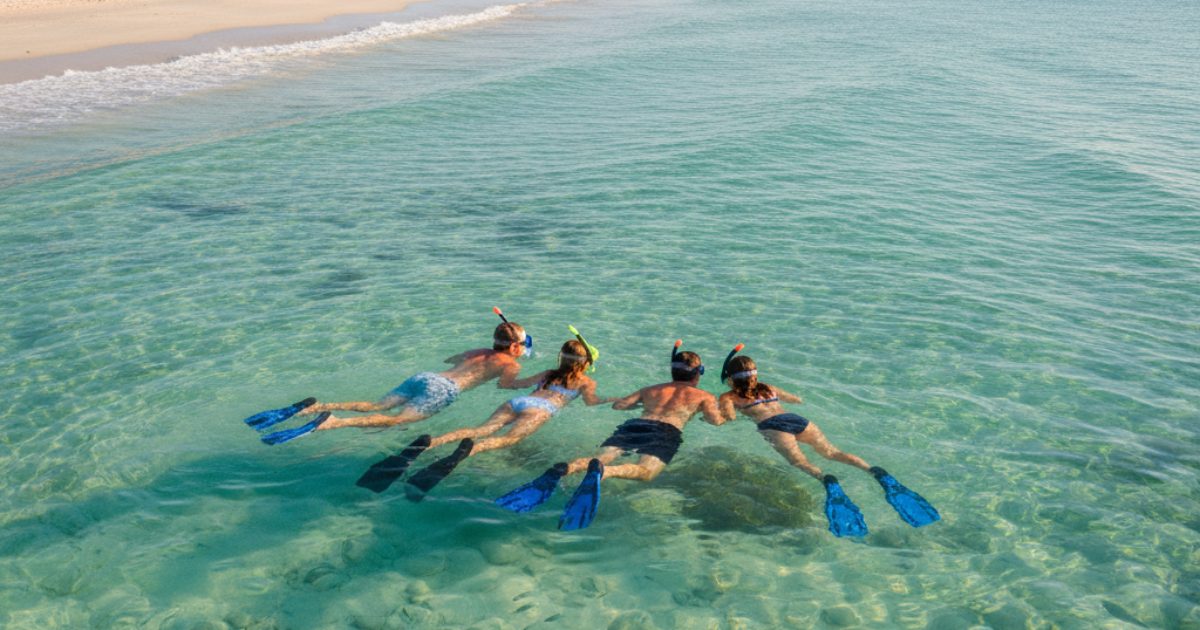
The sanctuary is not simply a stretch of pretty water with a sign posted at the pier. It is an actively managed marine protected area with physical infrastructure designed to support aquatic life. At its core are two snorkel reefs, known as East Reef and West Reef, positioned 100 feet from the shoreline in water ranging from five to 12 feet deep.
Those shallow depths are intentional. They make the reefs accessible to snorkelers of almost any skill level, including children and beginners, while still providing enough structure to attract a meaningful variety of species. According to the reef project documentation on navarrebeachmarinesanctuary.org, the artificial reef structures were specifically engineered to attract marine life rather than simply placed on the seafloor as an afterthought.
The result is a habitat that now supports over 100 species of marine life. That number reflects an ecological success, not just a marketing figure.
How Artificial Reefs Build Gulf Coast Biodiversity
The Gulf of Mexico’s natural seafloor in this region is largely flat and sandy, which limits the variety of species that can establish themselves without some form of hard substrate. Artificial reefs solve that problem by providing the attachment points that corals, sponges, and invertebrates need to colonize.
Once those foundational organisms establish themselves, the food web builds from the bottom up. Small fish shelter in the reef structure. Larger predators follow. Seasonal migrants pass through and, in some cases, begin using the area as a feeding stop. Over time, a well-placed artificial reef can function ecologically in ways that closely resemble a natural reef system.
A protected marine area with over 100 resident species does more than attract snorkelers. It anchors the ecological health of the surrounding coastline, which in turn supports fisheries, water quality, and the long-term appeal of the communities built around it.
The Navarre Beach marine sanctuary committee has continued to meet and refine its approach to reef management. As of early 2024, the committee was actively discussing future initiatives, signaling that this is an evolving conservation project rather than a static installation.
Species Diversity and What It Signals
Over 100 species in a one-mile stretch of protected water is a meaningful benchmark. Biodiversity at that level typically indicates that multiple trophic layers are functioning. You need producers, herbivores, and predators all operating in relative balance to sustain that kind of variety.
For the Gulf Coast broadly, the sanctuary functions as a reference point. Healthy ecosystems in protected zones create spillover effects, where fish populations that reproduce inside the sanctuary eventually spread to adjacent unprotected areas. That benefits recreational anglers, commercial fisheries, and the general health of the inshore and nearshore Gulf waters around Navarre, Gulf Breeze, and Pensacola.
The Visitor and Recreation Dimension
Biodiversity has a practical value beyond ecology. When a protected area supports a wide variety of visible marine life, it becomes a destination. The Navarre Beach marine sanctuary draws snorkelers and divers who specifically seek out the reef system, and that visitor traffic supports local businesses, charter operators, and the broader tourism economy.
The Navarre Beach visitor resource at navarrebeach.com describes the sanctuary as one of the area’s signature outdoor attractions, and the Emerald Coast Visitors Guide’s marine sanctuary page reinforces that positioning by featuring it prominently alongside other Gulf Coast recreational highlights.
That visibility matters for the community’s economic identity. A protected marine area that is also a recognized visitor destination is a public asset with measurable value, not simply a conservation gesture.
Accessibility as a Design Feature
The decision to place the reefs at 100 feet from shore, in five to 12 feet of water, was not accidental. It reflects a deliberate effort to make the sanctuary usable by the broadest possible range of people. Families with young children, older adults who snorkel recreationally, and visitors without dive certification can all access the reef system without specialized equipment or boat transport.
That accessibility also matters for the military community. NAS Pensacola draws thousands of service members and their families to the region each year. Many of those families are looking for outdoor activities that are affordable, close to home, and engaging. A snorkel reef 100 feet from the beach checks all three boxes.
What the Sanctuary Means for Coastal Living and Property Values
Protected natural areas tend to stabilize the long-term desirability of the communities around them. When a stretch of coastline has a formally designated marine sanctuary, it signals that the ecological character of that area is being actively preserved rather than left to erode under development pressure.
For buyers considering property in Navarre or the surrounding Gulf Coast communities, that distinction carries weight. Coastal living in Florida is partly about the water itself: its clarity, its wildlife, its recreational potential. A sanctuary that protects those qualities is, in effect, protecting part of what makes the location valuable in the first place.
I work with buyers across the region, from Pensacola to Gulf Breeze to Navarre, and I consistently find that environmentally conscious buyers ask about protected areas and conservation status when evaluating coastal properties. The Navarre Beach marine sanctuary is a concrete, documented answer to those questions. You can point to it on a map, read its management history, and see its species counts.
If you are exploring where to put down roots on the Gulf Coast, the neighborhoods driving the Pensacola real estate market’s growth offer a useful starting point for understanding which communities are seeing sustained demand. Navarre consistently appears in those conversations for good reason.
The Sanctuary’s Role for Relocating Military Families
The Pensacola area’s military community is large and active, centered on NAS Pensacola and its surrounding installations. Families arriving on Permanent Change of Station orders often have limited time to evaluate their new home area, and they are looking for communities that offer quality of life beyond the base perimeter.
The Navarre Beach marine sanctuary represents exactly the kind of outdoor asset that makes a community feel like a place worth staying. Recreational access to a protected reef system, combined with the Gulf’s white-sand beaches, gives military families a reason to invest in the area rather than simply pass through it.
For families weighing where to live between assignments, resources like the Pensacola communities guide provide a grounded overview of the region’s neighborhoods, amenities, and lifestyle options. Navarre’s proximity to the sanctuary is one of several factors that consistently come up in those conversations.
Retirees, Environmental Quality, and Long-Term Appeal
Retirees choosing the Gulf Coast are often making a permanent decision. They are not looking for a starter community; they are looking for a place that will sustain their quality of life for decades. Environmental quality is a significant part of that calculus.
A marine sanctuary signals that the local ecosystem is being managed with some degree of intentionality. Clean water, accessible wildlife, and protected natural areas all contribute to the kind of outdoor lifestyle that draws retirees to coastal Florida in the first place. The Gulf Coast’s combination of warm weather, low cost of living relative to other coastal markets, and natural amenities like the sanctuary make a compelling case for long-term residence.
If retirement on the Gulf Coast is something you are considering, the case for retiring on Florida Gulf Coast beaches covers the lifestyle and practical factors in detail. The presence of protected natural areas like the Navarre Beach marine sanctuary is one of the reasons this region continues to attract retirees who prioritize environmental quality alongside affordability.
Community Stewardship and What Comes Next
The sanctuary does not run itself. The Navarre Beach Marine Sanctuary Committee meets regularly to review ongoing projects, plan future reef deployments, and coordinate with state and federal agencies including the Florida Fish and Wildlife Conservation Commission and NOAA. That ongoing governance structure is what separates a well-maintained sanctuary from a neglected one.
Community volunteering has also remained a consistent feature of the sanctuary’s operation. As of late 2023, interest in marine conservation volunteer opportunities along the Florida Gulf Coast was sustained and growing, which reflects a broader shift in how Gulf Coast residents relate to their natural environment.
The participation of local residents in sanctuary stewardship creates a feedback loop that benefits everyone. Engaged communities tend to produce better conservation outcomes, and better conservation outcomes produce the kind of healthy coastal ecosystems that make Gulf Coast living worth choosing.
Conclusion
The Navarre Beach marine sanctuary is one of the Gulf Coast’s most underappreciated assets. It protects over 100 species of marine life within a single mile of coastline, provides accessible recreation for residents and visitors of all ages, and signals a commitment to environmental stewardship that has real implications for property values and community identity.
For military families, retirees, and buyers evaluating the Gulf Coast as a long-term home, the sanctuary is part of a larger picture of what makes this region worth choosing. It is not a peripheral feature; it is one of the reasons the water here looks the way it does and the communities around it continue to attract people who care about where they live.
If you are thinking about buying or relocating to the Navarre, Gulf Breeze, or greater Pensacola area, I am happy to walk you through the communities, the market, and the lifestyle considerations that matter most to your situation. Reach out to me directly at karen@karenschwan.com or by phone at +1-760-473-7172. I have been helping people find the right fit on this coastline since 2004, and I take that responsibility seriously.
Frequently Asked Questions
What exactly does the Navarre Beach Marine Sanctuary protect?
The Navarre Beach Marine Sanctuary actively protects marine life through engineered artificial reef structures. These structures, located 100 feet offshore in shallow waters, provide essential attachment points for corals and invertebrates, supporting over 100 species of marine life.
How do the artificial reefs in the sanctuary contribute to biodiversity?
The artificial reefs provide the necessary hard substrate that the Gulf of Mexico's sandy seafloor lacks, allowing corals and sponges to colonize. This foundational growth then supports a complex food web, attracting small fish, larger predators, and seasonal migrants, thus building biodiversity from the bottom up.
Will the sanctuary’s presence impact local property values?
Yes, the sanctuary can positively impact property values by signaling a commitment to preserving the ecological character of the coastline. Environmentally conscious buyers often view protected areas as a key factor when evaluating coastal properties, as it safeguards the natural qualities that make the location desirable.
How does the sanctuary benefit relocating military families?
The sanctuary offers an accessible and engaging outdoor recreational asset that enhances the quality of life for military families. Its proximity and ease of access for snorkeling provide an affordable, family-friendly activity close to home, encouraging families to invest in the area.
What is the long-term appeal of the sanctuary for retirees?
For retirees seeking a permanent home, the sanctuary signifies intentional environmental management, contributing to the clean water and accessible wildlife that define the desirable coastal Florida lifestyle. This focus on environmental quality, combined with affordability and natural amenities, makes the region appealing for long-term residence.